Threads of Heritage, Realities of Today: The Condition of Nepal’s Handicraft Industry
Nepal’s identity is deeply intertwined with the work of its hands. From the intricate wood carvings framing the windows of Bhaktapur to the serene geometry of Paubha paintings, and the soft resilience of Himalayan felt, handicrafts are more than just souvenirs—they are the living archive of our culture.
However, behind the colorful shopfronts of Thamel and the bustling trade expos lies a complex narrative. Today, Nepal’s handicraft industry stands at a critical crossroads, balancing massive global economic potential with severe internal challenges that threaten its very survival.
The Economic Pillars: Driven by Felt, Fibers, and Metals
Despite domestic economic fluctuations, handicrafts remain one of Nepal's most vital export sectors alongside agriculture and tourism. According to data from the Federation of Handicraft Associations of Nepal (FHAN), the sector contributes roughly Rs 28 billion annually to the national economy, providing direct and indirect employment to over 300,000 individuals, particularly women and rural communities.
Interestingly, the internal landscape of what we export is shifting:
- The Felt Boom: Modern felt products have overtaken many traditional crafts. Felt exports alone generate over Rs 1.28 billion annually, finding massive markets in the US, Europe, and Australia.
- Eco-Textiles and Natural Fibers: There is a surge in demand for sustainable materials like Allo (Himalayan nettle), hemp, and bamboo products. International buyers are actively moving toward green, ethically sourced lifestyle products.
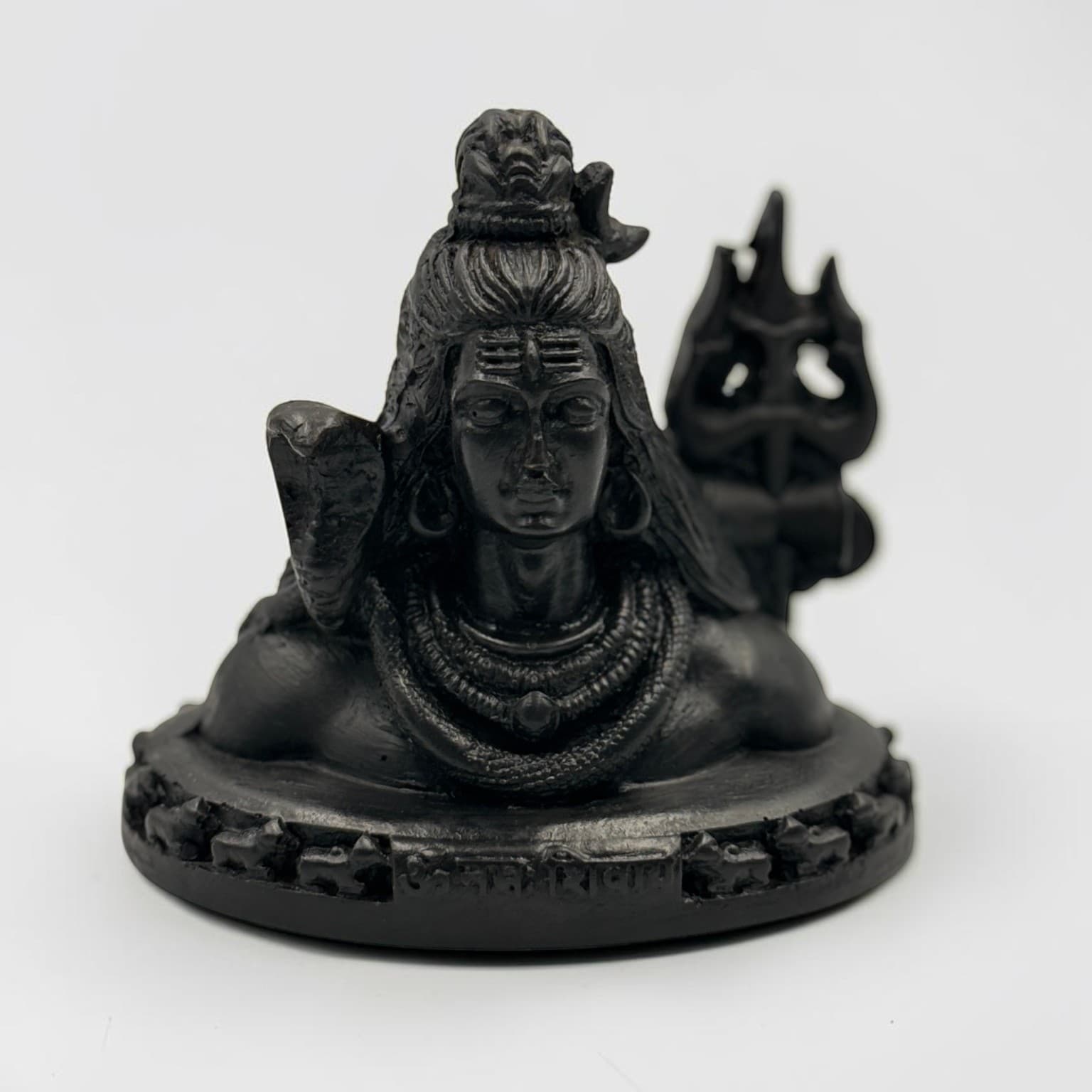
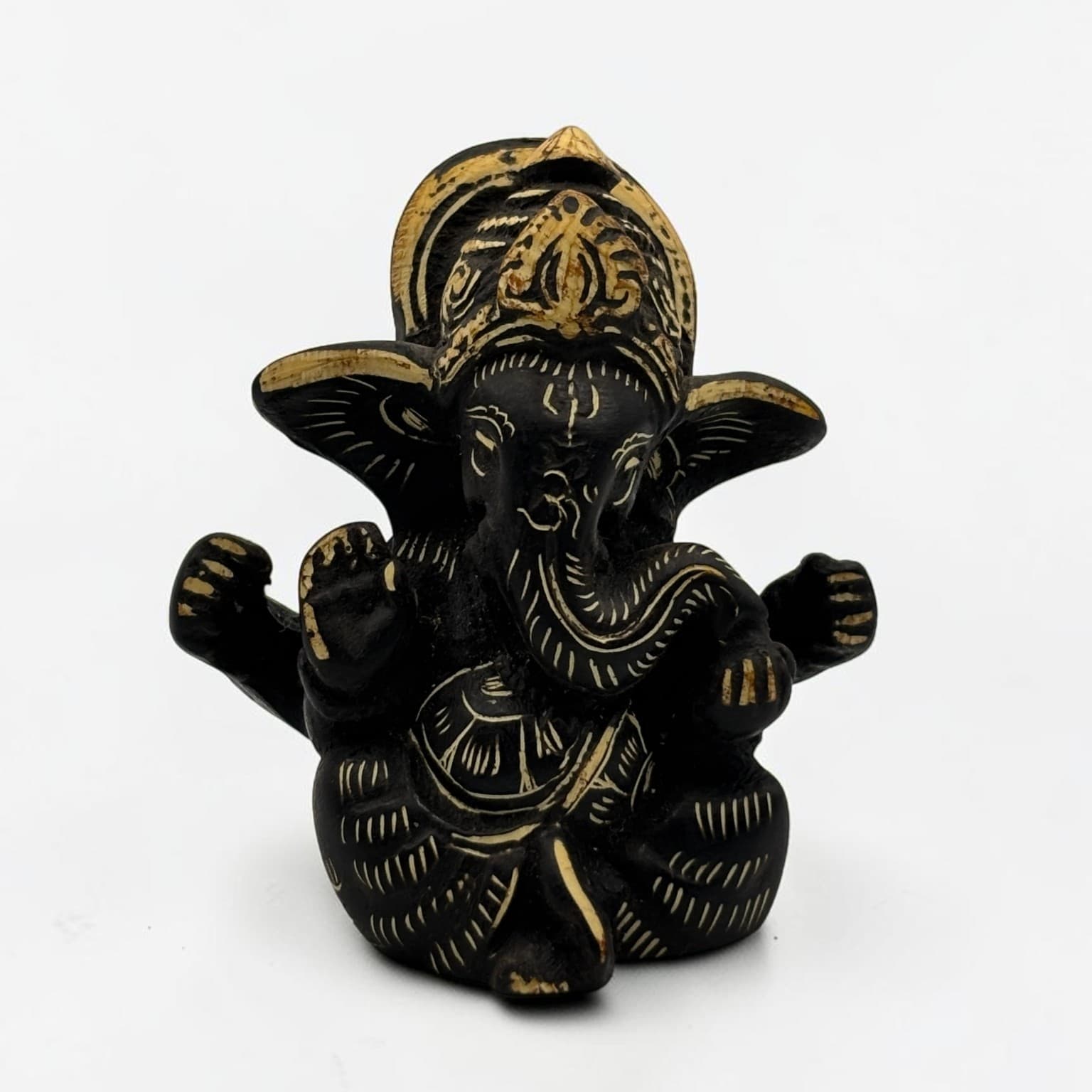
- Traditional Metalwork: Statues and ritual objects crafted via the ancient "lost-wax" casting method remain highly prized, bringing in over Rs 900 million in yearly export revenue.
The Friction Points: Why the Industry is Hurting
While the demand from overseas markets remains high, local production lines are grappling with fundamental, structural shifts.
"It's a paradoxical crisis: the world wants Nepali handmade art, but local production struggles to keep up with the pressures of the modern world."
The industry faces four major roadblocks:
1. The Generational Gap & Brain Drain
The single greatest threat to traditional Nepali crafts is the lack of a successor generation. Master woodcarvers, stone sculptors, and metal casters spend decades perfecting their techniques, which are traditionally passed down orally. However, youth migration for overseas employment has left workshops empty. Many young Nepalis view the artisan path as labor-intensive with low financial predictability compared to white-collar jobs or foreign employment.
2. High Production Costs vs. Mass Production
Nepal cannot compete on scale. Countries like India and China have industrialized their handicraft sectors, allowing them to flood global markets with machine-finished, cheaper look-alikes. Genuine Nepali handicrafts require manual labor, expensive traditional raw materials, and days of dedicated focus—driving production costs up and testing the price limits of average consumers.
3. Supply Chain Fragility
Artisans regularly experience shortages of premium raw materials. From high-quality wood for carving to specialized clay for pottery in Bhaktapur, sourcing authentic materials has become expensive and logistically complicated, further hampered by inflation and rising transportation costs.
4. Limited Digital Integration
While a few boutique brands have mastered Instagram and e-commerce, the vast majority of local weavers and rural craftsmen have no direct digital access. They rely entirely on intermediaries, which slashes their profit margins and isolates them from real-time global design trends.
Mapping the Way Forward: The "Made in Nepal" Evolution
The survival of Nepali handicrafts relies entirely on moving away from the "souvenir" mindset and leaning heavily into ethical luxury and modern utility.
Strategic Need
Practical Action
Expected Outcome
Skill Preservation
Establishing formalized, paid apprenticeship programs backed by institutional funding.
Making craftsmanship a viable, prestigious career for the youth.
Intellectual Property
Enforcing strict copyright laws and Geographical Indication (GI) tags for authentic crafts.
Protecting local designs from cheap, mass-produced global counterfeits.
Digital Expansion
Bypassing traditional middlemen through collective B2B e-commerce platforms.
Direct market access for rural artisans, resulting in higher profit margins.
Events like the annual Nepal Handicraft Expo and Cultural Show prove that local pride and organizational willpower are alive and well. But to ensure that the rhythmic sound of the chisel and the loom doesn't fall silent, policymakers, consumers, and tech platforms must treat handicrafts not as a dying museum artifact, but as a dynamic, high-value creative industry.